
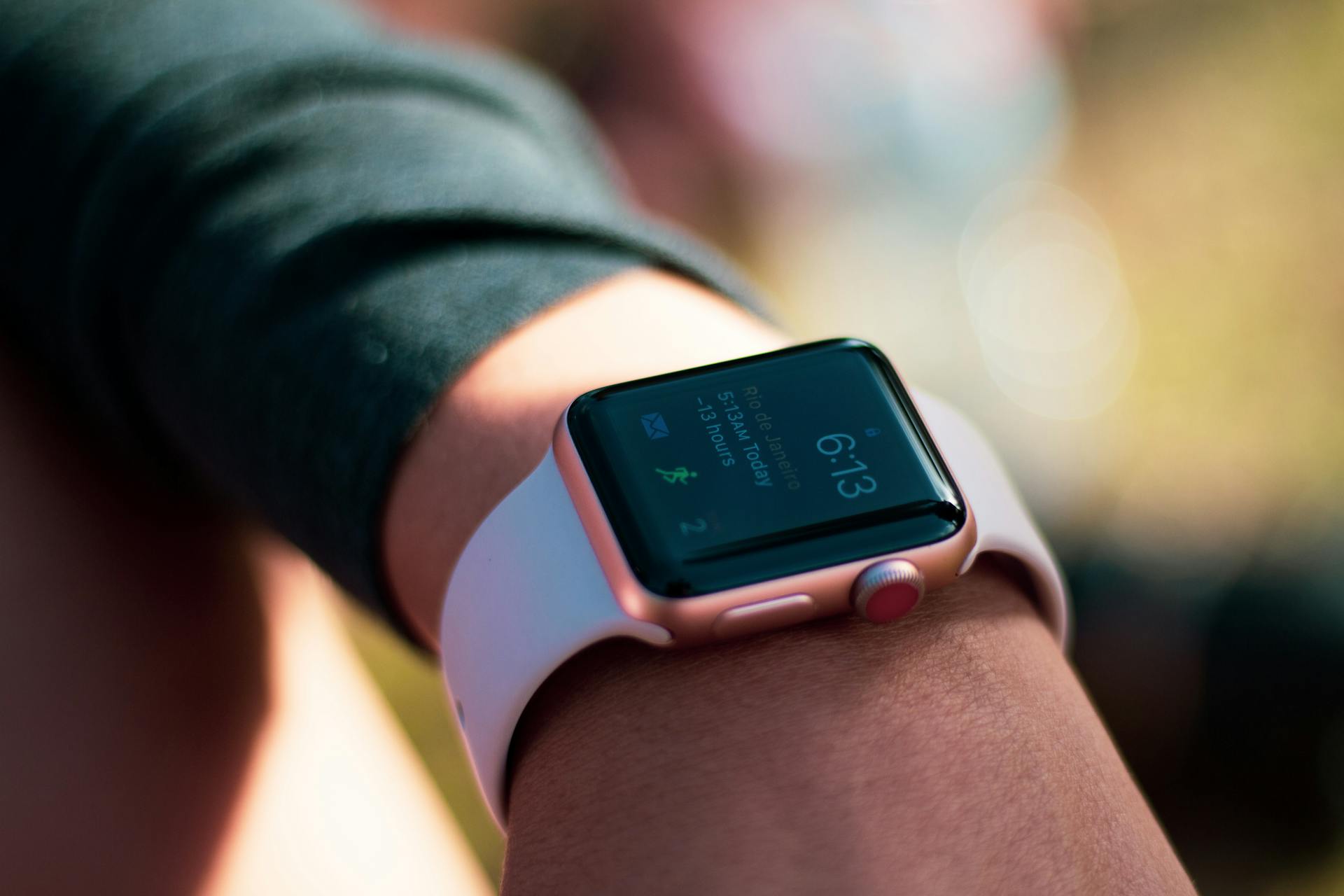
Fitness trackers flood the market with flashy features and endless claims. Picking one without considering your specific objectives can waste money and time. Focusing on features that directly support your personal goals helps you see real improvements. Each tracker is different; some emphasize steps, others sleep, heart rate, or stress levels. Evaluating which metrics matter to your routine simplifies the decision. Smart choices prevent frustration and support consistency in your workouts.
Step Counting and Activity Tracking
 Step tracking remains the most familiar metric but varies in accuracy. Accurate sensors help gauge daily activity and motivate users to move consistently. Studies, including those cited by Harvard Health, show that consistent step goals can improve cardiovascular health over time. Some devices exaggerate counts or miss movements during workouts like cycling or weight training. Understanding your activity type and choosing a tracker suited for it ensures reliable feedback. This lets you adjust effort realistically and see tangible progress.
Heart Rate Monitoring and VO2 Insights
Continuous heart rate monitoring gives a glimpse into cardiovascular performance and workout intensity. Wearables with precise sensors allow users to maintain target zones for fat burning or endurance training. Research confirms that tracking heart rate enhances efficiency and prevents overtraining. VO2 measurements, when offered, provide additional insight into aerobic capacity. Not all trackers calculate VO2 reliably, so selecting devices validated in studies is important. Real data helps structure training and recovery appropriately.
Sleep Tracking and Recovery Metrics
Sleep profoundly impacts energy, focus, and physical recovery. Trackers that monitor sleep stages can guide users to better rest habits. According to WebMD, adequate sleep enhances performance and reduces injury risk. Some trackers overestimate deep sleep or misinterpret rest periods. Knowing a device’s limitations allows users to combine tracking with subjective observations. This balance gives an accurate picture of recovery and readiness for the next session.
GPS and Outdoor Performance Metrics
For runners, cyclists, or hikers, GPS-enabled trackers offer valuable route and distance data. Precise location tracking measures speed, elevation, and effort. Studies suggest tracking outdoor workouts improves motivation and consistency. Battery life and signal quality vary widely among devices. Choosing a model that holds GPS performance reliably is crucial. Proper tracking ensures accurate feedback and helps refine outdoor routines.
Nutrition and Calorie Tracking
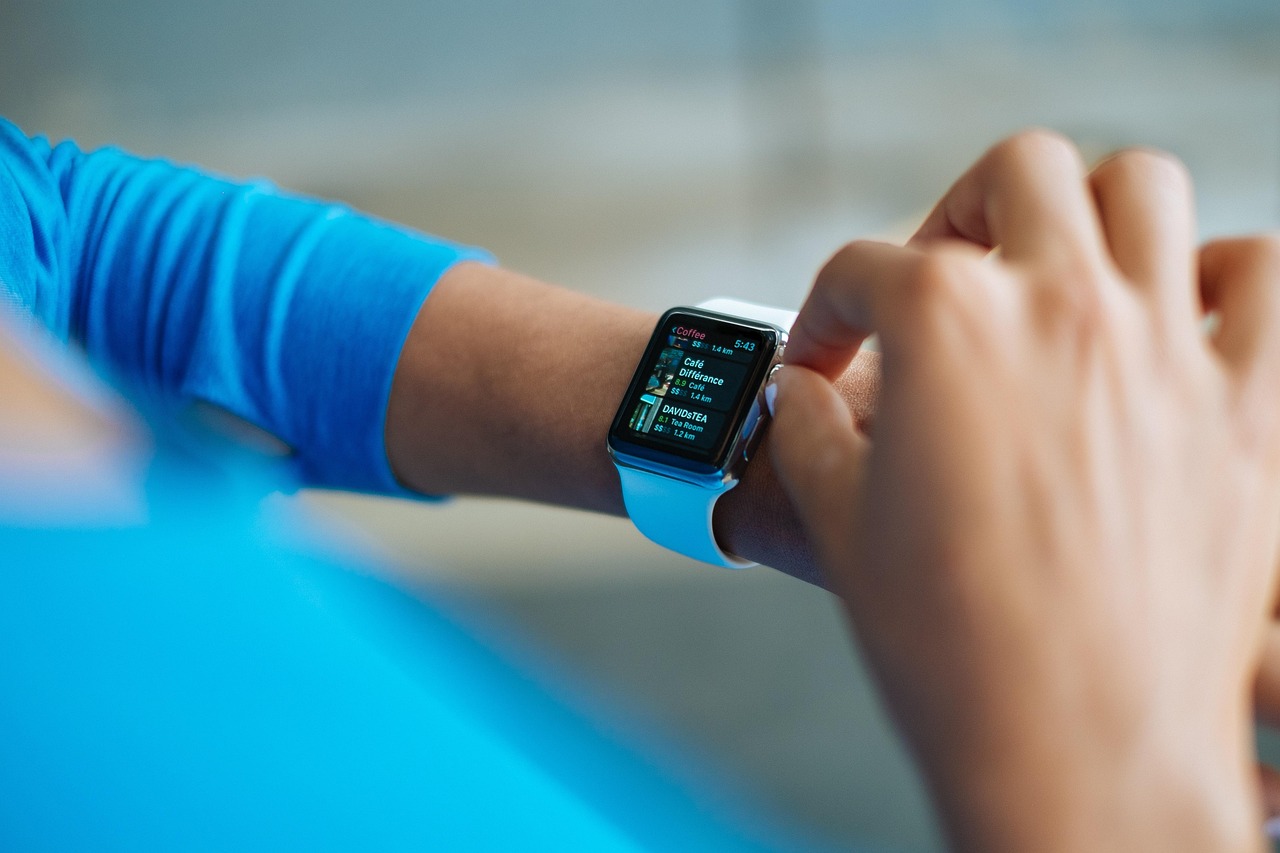
Many fitness trackers offer food logging and calorie tracking to support weight management or muscle gain. Accurate logging provides insight into energy intake versus expenditure. Research shows that people who track nutrition are more likely to meet their dietary goals. Not all food databases in trackers are complete or precise. Users should double-check entries and understand approximations. Combining tracker data with real-world awareness strengthens nutrition planning.
Stress, Mindfulness, and Overall Wellness
Modern trackers often include stress and mindfulness features, using heart rate variability or guided breathing exercises. Regularly engaging with these tools can reduce tension and improve mental resilience. Scientific studies support the role of mindfulness in lowering cortisol and improving overall well-being. Not all devices measure stress with precision; some estimates are too generalized. Users benefit most from trackers that provide actionable insights rather than vague alerts. Combining mental and physical data promotes a balanced approach to fitness.
Selecting the right fitness tracker is about aligning features with goals. Step accuracy, heart rate, sleep, and wellness insights all contribute when chosen thoughtfully. Avoid gimmicks and focus on validated functions to maximize your health improvements. A well-chosen tracker guides action, measures progress, and keeps motivation high.…